
Buying A New Camera and Lens

Buying the Canon EOS R5 Mark II camera along with the Canon RF 24-70mm f/2.8 L IS USM lens would be a strong investment for anyone serious about photography or videography. Both pieces of equipment are designed for professional-level performance and versatility, making them useful for many different shooting situations.
The Canon EOS R5 Mark II stands out because of its powerful technology and image quality. With a 45-megapixel full-frame sensor, the camera can capture extremely detailed photos, which is important for professional photography, large prints, and cropping images without losing quality. The advanced autofocus system, including eye-tracking and intelligent subject detection, helps photographers capture sharp images even when subjects are moving quickly. This would be especially useful for photographing sports, wildlife, or candid moments where timing is important. Another reason this camera is a strong choice is its video capability. It can record high-resolution 8K and 4K video, which makes it ideal not only for photography but also for content creation, filmmaking, or professional media work. Because of this versatility, the camera can serve multiple purposes instead of requiring separate equipment.
The Canon RF 24-70mm f/2.8 L IS USM lens is also an excellent match for this camera because it is considered one of the most versatile lenses available. The 24-70mm focal range allows the photographer to shoot a wide variety of subjects, including landscapes, portraits, events, and everyday photography. At 24mm it can capture wider scenes, while 70mm works well for portraits and tighter framing. The constant f/2.8 aperture is another major advantage because it allows more light into the lens. This makes it easier to shoot in low-light situations and also creates a shallow depth of field, which helps produce professional-looking background blur in portraits.
In addition, this lens includes image stabilization, which helps reduce camera shake and results in sharper handheld photos. The lens is also part of Canon’s L-series, meaning it is built with high-quality materials and weather sealing. This durability is important for photographers who plan to shoot outdoors or in different environments.
Overall, combining the Canon EOS R5 Mark II with the Canon RF 24-70mm f/2.8 L IS USM lens creates a powerful and reliable photography setup. The camera provides exceptional image quality and advanced features, while the lens offers flexibility and professional optical performance. Together, they would allow a photographer to capture a wide range of subjects with high detail, sharpness, and creativity, making them a worthwhile investment for serious photography.
Story Behind the Photo

He monologued. “Another fight, I really need to change my ways soon or I’ll be down the wrong path. But that kid deserved it, who is he to play with and talk about my family in that way. Maybe I did go a little too far this time though. No! He was the one that went too far.”
As Nathan begins walking down the stairs he hears sirens. His heart races. He starts walking frantically. A nervous sweat builds up. “I can’t get caught!” “What would happen to me! My family-,” He sees an officer wander into the building. Nate takes a hard right and speed walks, now left, then right. Step-step-step-step, each one faster than the previous.
An announcement plays on the speakers, “STUDENT ON THE RUN. LOCKDOWN LOCKDOWN!”
Barbara Kruger Style

Strobe Flash Portraits




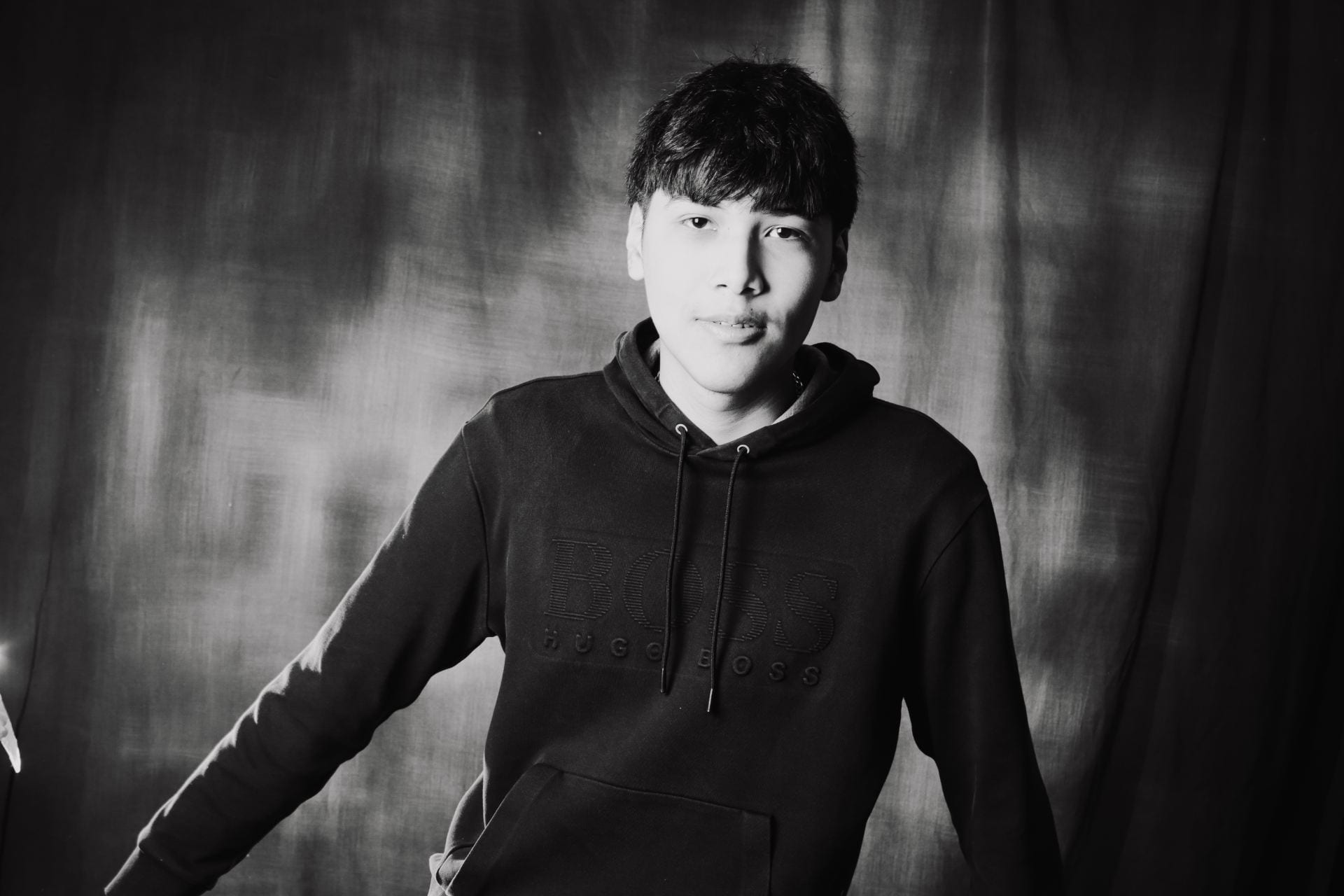





Read&Write Intro to strobes
- There are 2 kinds of power packs: Symmetric and asymmetric
- Monolights are compact substitutes for power packs and are more portable
- However, monolights size limits power
- Head/pack systems
- There are many types of strobes such as xenon, led, and fast-speed strobes
- Strobes are using in advertisements
- They create a rapid dramatic effect
- Strobes also can catch the eye for warnings.
- You can modify strobe lighting with soft boxes, umbrellas, and reflectors
- A common technique for strobes is to place the light to a 45-degree angle to the side slightly above the subject.
On Location portraits



Overall I really enjoyed using flash. It allows for shots and quality that would not be possible with natural light. I do think natural light can look better at times but the reason flash is so useful is because it can be used anywhere.
Portraits w/ Makeup


Iconic Illustration

Flash Test (u.f.)


